
What happens when leaders mess with what they don’t understand
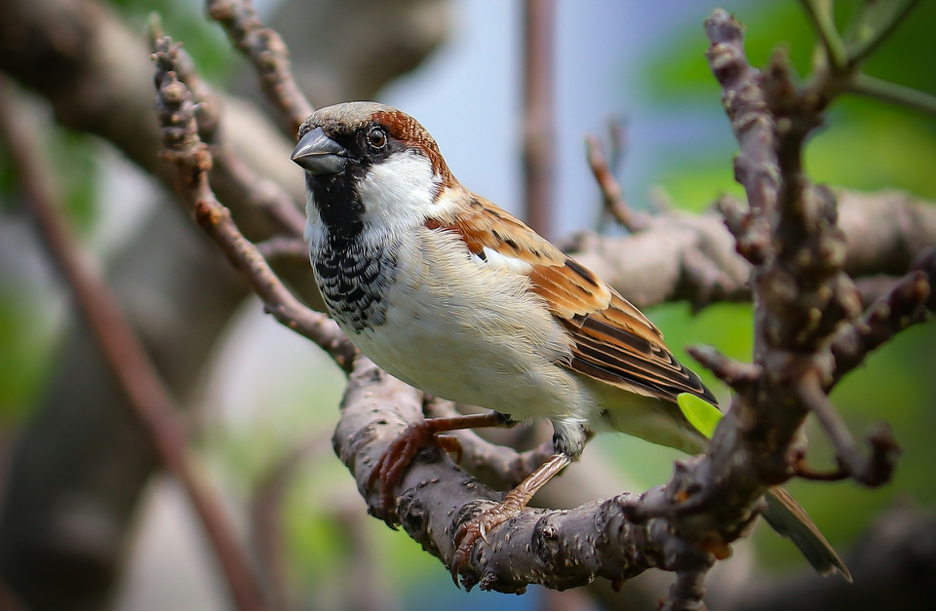
Kill all the sparrows.
That was the order. Seventy years ago, Chairman Mao Zedong gave the order to exterminate sparrows as one of four pests to be eradicated across China. The others were rats, mosquitoes, and flies. Farmers had complained that sparrows ate grain. The sparrows had to go.
The Chinese people zealously undertook their mission. They used slingshots and nets. They beat drums and pots to keep the sparrows from sleeping so they eventually fell exhausted to the ground.
By some reports, the Eliminate Sparrows campaign resulted in the deaths of 200 million birds. Some say as many as two billion. No matter the precise count, in just a couple of years Eurasian Tree Sparrows were all but extinct across China.
This is where the story takes a twist: Sparrows indeed ate a little grain. They also ate a lot of insects. With no sparrows to eat them, the populations of locusts and other destructive insects surged. Crops failed across the country.
The elimination of sparrows, along with concurrent adverse weather conditions, led to the Great Chinese Famine in which between 15 and 55 million Chinese people died.
I recalled the sparrows today when reading about the temperature records being set by the emerging El Niño weather pattern. Called “jaw dropping” in an article in The Guardian, El Niño is still months from peaking. With this comes potential, okay, highly likely, flooding, drought, food shortages, heat stress, pollution, and more that, in turn, could result in displaced populations, geopolitical turmoil, and avoidable deaths. It may even create extinction-level events for species unable to move or adapt quickly.
The obvious lesson is to beware people in power with low scientific literacy coupled with great confidence in their ability to make smart choices about science policy. Let’s give Mao the benefit of the doubt and say that he likely didn’t want to kill millions of his fellow Chinese. However, he wasn’t self-aware enough to know he had no clue about the unintended consequences of the campaign he was unleashing. He’s not the only one to be beset with that limitation.
Leader confidence is best paired with humility and curiosity. Everything is connected. A fixation on something to be eliminated can blur and distort those connections across a system so complex that no one person can comprehend it all.
Another lesson that hit particularly close to home for me is about collective action. That’s the topic of my forthcoming book, The Power of Everyone: Leading Together to Shape a Better World. The Eliminate Sparrows campaign shows that good ideas such as working together can be directed to malevolent ends. Few asked questions. The scientists who raised concerns were dismissed.
Crises are events where you see people either at their worst or their best. I’ve seen enough of people rising to the occasion to have hope. However, I also know that radical curtailment of humanitarian aid and draconian clampdowns on immigration show that people, or at least governments, aren’t always ready to help each other. One estimate of the impact of recent cuts in international aid puts excess deaths at 9.4 million people by 2030.
If we face a situation where global resources are truly constrained, either actually or perceived to be, and catastrophe looms, it will be the biggest test ever faced by our species.
How then do I have hope? In the research for my book, I engaged with so many people working to make things better. To borrow language from the book, these aren’t capital “L” leaders with expansive positional power and fancy titles. The people I interviewed are committed individuals engaged in lowercase “l” leading, doing the hard, steady work to bring about capital “C” change that is systemic and durable.
We humans have created this mess with two centuries of short-term thinking and extractive practices. Only we can solve it. To bend the curve, we are going to think big and long. Uncomfortable sacrifices will test our resolve.
And perhaps most important, it will call for us to value every sparrow. Every bee. Each and every creature with whom we share this glorious planet. We are all connected. If sparrows can’t thrive, humans won’t either.
Note: I first read about the Exterminate Sparrows campaign in Stephen Moss’ excellent book,Ten Birds That Changed the World. I recommend it.
Read the full piece on Substack.